Home > Storing Cheese
Storing Cheese
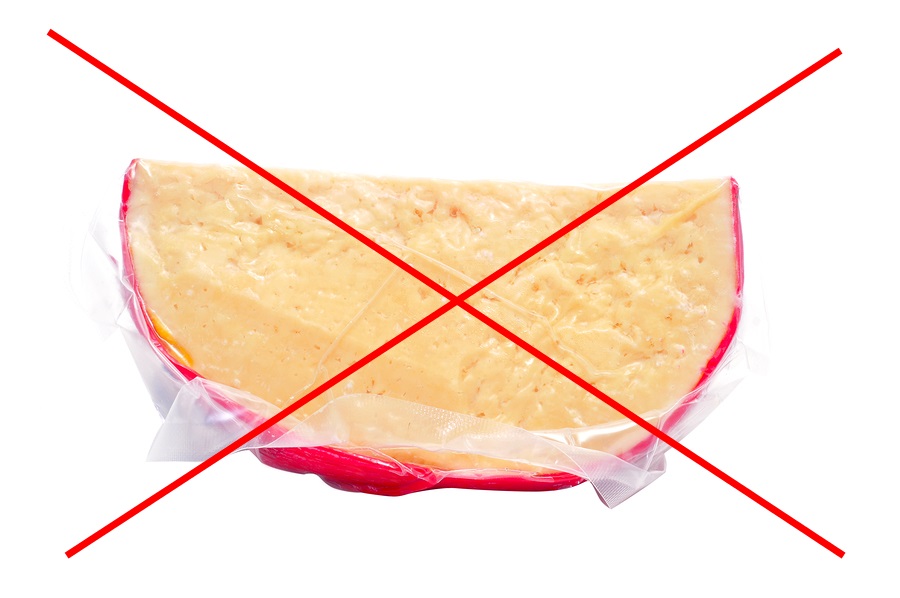
Storing Cheese properly is absolutely essential! Why? Because Cheese is a living organism, with enzymes and bacteria which require oxygen and moisture to survive. Cheese continues to ripen from its first day of production right up until the moment it is consumed. These 2 factors require that you wrap and store your cheese in a way to ensure that it can breathe and that its flavor won't be compromised.
Fortunately the guidelines for doing this are pretty straightforward and easy to follow. I know we all, from time to time, have found a grungy, hideous moldy piece of unidentifiable cheese lurking in the back of our fridge. No need to feel guilty - except for the waste of money.
First Steps in Storing Cheese
Hopefully the wedge of cheese you purchase from your local
store will already be wrapped in paper - reputable, knowledgeable cheese
sellers know how important this is. Paper allows the cheese to breathe. But once you take the cheese home and
have eaten some, you can't just re-wrap in plastic wrap, throw it in the fridge and hope that it will taste fresh and wonderful several days, much less several weeks later. It won't.
In general you will want to consume the gourmet cheeses you buy within a day or two. So don't buy more than you can reasonably use in a short period of time. And, by the way, if the cheese you buy was pre-wrapped in plastic then please, please unwrap it and re-wrap it immediately in parchment paper or waxed paper, and then cover it loosely with plastic before putting it in the fridge.
Use Cheese Paper for Storing Cheese
To store cut, already opened cheeses properly means you have
to protect the cut surfaces from drying out, while still allowing the cheese to
breathe. You don't want it to dry out or possibly absorb flavors from other foods in the fridge. The
best solution is to wrap the cheese in parchment paper, or wax paper - even
better is special cheese paper you can buy which is waxed on one side. Then cover the
paper-wrapped cheese loosely with a plastic bag and place it in a plastic tub
with a lid. You are creating
a happy little micro-environment for the cheese and you'll be glad you did. The
cheese will keep longer and will taste fresher and better.
Storing Cheese Well is a Financial Investment!
Many gourmet cheeses are quite expensive and are a sizable investment, just like a fine bottle of wine or a Maine lobster. You want to
take care of it and ensure it is in perfect condition when it is served - or
poured in the case of wine. Keep it in the warmest, most humid part of the fridge
- usually the vegetable bin. Blue cheeses (moist as they are, with an interior
mold) are the exception. You purchase them wrapped in foil and you should also
store them wrapped in foil. Your fridge temperature range should ideally be 35-45 degrees
with 80-90% humidity.
Storage Tips for Different Cheeses
Fresh Cheeses like Mozzarella, , fresh young Goat cheeses (Chèvre) should be stored in the sealed plastic containers in which you purchase them. Mozzarella di Bufala Campana for example, will be sold in a plastic tub and already immersed in liquid. Don't pour out the liquid. And turn the cheese each day so all sides remain moist. These soft fresh cheeses will last about seven days. If a fresh cheese begins to smell like old, sour milk - toss it out.
Bloomy-rind cheeses such as Brie and Camembert are not as moist as fresh cheeses, but still have quite a high moisture content. This style of cheese should last in your fridge perhaps two weeks. If you see an ugly, pinkish and slimy mold on it - it has gone past the point of no return - toss it out.
Washed-rind cheeses like Taleggio, Époisses de Bourgogne and Winnimere, should be eaten very quickly. You can keep them for two weeks or so, but the aroma will intensify and even the best wrapping will not prevent the aroma from spreading around your fridge. Keep it wrapped AND in a plastic container.
Aged Goat cheeses are often sold in individual portion size - little Crottins, little Cabecous, little Mutton Buttons etc. These keep very, very well. They won't die on you, but if you leave them long enough in the fridge they will begin to dry out and harden, with the flavor becoming more intense.
Hard, aged cheeses like Parmigiano-Reggiano, Farmhouse Cheddar, Gouda and Gruyère have already been aged for a good long while. These are hardy and durable cheeses with very little moisture content. But eventually, even properly wrapped in paper and then loose plastic, these cheeses will show some bluish-green mold. Don't panic. Don't toss them out. Just make a cut 1/2" in from the mold and throw out the moldy bit, or scrape the mold off. What lies underneath will be perfectly good.
Blue cheeses wrapped in foil will keep well; but be aware that their flavors will become more pungent and assertive with age - which may or may not please you. Figure on two weeks storage in your fridge. It is really important to wrap these cheeses well in foil because of their high moisture content; you need to lock in thast moisture.
Storing cheese correctly is a win-win for you. It takes just a moment and you'll be glad when you unwrap a wedge of expensive Cheddar that it is just as fresh and good as the day you bought it. Ideally all Cheese should be stored in our stomachs, but these suggestions are the next best alternative for Storing Cheese until we are ready to consume it!
suggestions from the food package experts

foodpackaginglabels.net
Home > Storing Cheese

Looking for something specific on GourmetCheeseDetective.com?
Enter your request below:
Follow The Gourmet Cheese Detective on X (Twitter): @The_Cheese_Tec